Case study / 03

Restless Corp

Open live site

A cinematic storefront for eight console titles, plus serverless pitch intake and a press/influencer base that powers release outreach.
RoleDesign, build, SEO and funnels — solo
TimeframeLive company site
  • HTML5
  • CSS3
  • Vanilla JS
  • Google Apps Script
  • Apache
  • Search Console

The problem

One storefront had to earn trust from two audiences.

Players needed a fast catalog that felt native to console games. Indie developers needed evidence that the publisher could present their work carefully and handle a pitch professionally.

The answer was deliberately direct: a distinct black-and-amber site, platform-authentic store paths and native intake forms — without a CMS, an application server or a recurring hosting bill.

The system

Old-school engineering, finished like a product.

Static delivery keeps the site cheap and fast. Small hand-written scripts handle the interaction, while Google Apps Script supplies only the two backend workflows the business needs.

01

Storefront

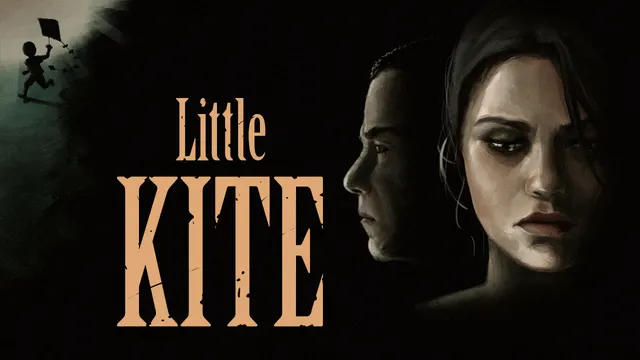
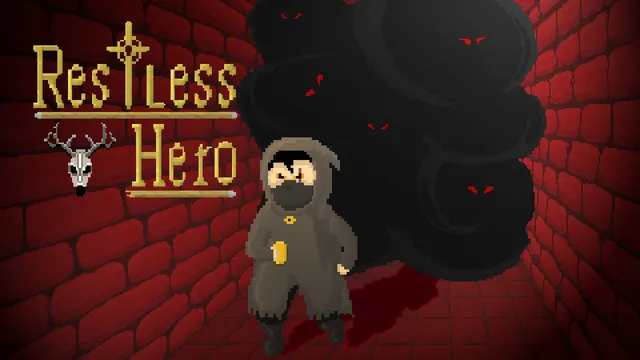
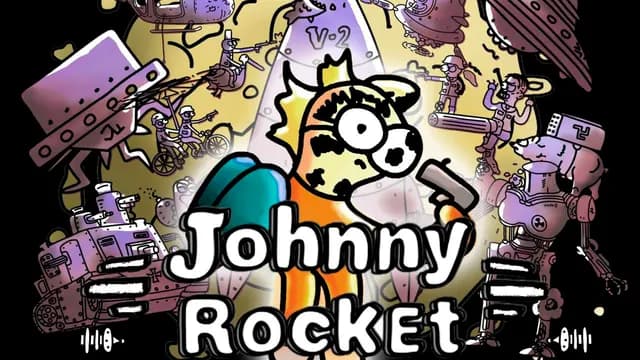
  • Catalog for eight games from six partner studios, each with its own cinematic hero.
  • Platform-authentic Nintendo, Xbox, Steam and PlayStation store bars.
  • Responsive catalog choreography, scrollspy navigation and copyable contact details.
02

Release marketing

  • Game-pitch form with port limits, counters, honeypot protection and formatted HTML delivery.
  • Press and influencer applications append directly to the sheet-backed base behind targeted review-key, asset, embargo and launch-announcement mailings.
  • Native forms replaced earlier external form links without adding a server.
03

Production hygiene

  • Robots, sitemap index, image sitemap and per-page metadata.
  • Pretty URLs, TLS and a three-tier Apache caching policy.
  • No build tooling by design; only two JavaScript libraries across the site.

Production workflows

A release path with almost no infrastructure.

The site does more than display covers: it turns a new game, a developer lead and a media contact into working publisher processes.

01New title → console storefrontEvery game gets a platform-aware page without a runtime application.
  1. Prepare the cinematic hero, cover art, story, features and developer credits.
  2. Connect each available Steam, eShop, Xbox and PlayStation destination through its native visual language.
  3. Add page metadata and image-sitemap entries, then serve the result through the static Apache cache policy.
02Developer pitch → studio inboxA native form replaces a generic external form without adding a server.
  1. The developer selects up to three console ports and completes the validated pitch.
  2. A honeypot-protected Google Apps Script route formats the submission.
  3. The studio receives a readable HTML email ready for a publishing decision.
03Media partner → release outreachOne intake record becomes a reusable press and influencer relationship.
  1. A journalist or creator submits name, outlet, link and contact details on the publisher site.
  2. Google Apps Script appends the profile to the sheet-backed press base.
  3. The curated list supports targeted review-key, press-asset, embargo and launch-announcement mailings.

Interactive previews

From game poster to release outreach.

The first flow recreates the catalog’s visual choreography; the second shows how the zero-cost pitch and media-partner funnels feed the publisher’s working inbox and outreach list.

R1

Catalog and storefronts

Hover or focus the covers to expand their amber bars, then move through the four offset platform buttons.

Real cover art · authentic platform paletteZero-framework static site: hand-written CSS, eight games, nine hero videos and image sitemaps — hosted for pennies.

Numbers

Deliberately little to host or maintain.

Read these the other way round: the point is how little infrastructure a full catalog and two working funnels actually need.

published games / partner studios
8 / 6
Public catalog
storefronts per title
4
Maximum platform coverage
hero videos
9
Across catalog and game pages
serverless funnels / hosting
2 / $0
Google Apps Script
lines of hand-written CSS
~1,000
Across two stylesheets

What this proves

Simplicity is useful when it is deliberate, not unfinished.

01

A site can stay static

Strong art direction, responsive behavior and proper SEO do not require a framework or runtime server.

02

Serverless where it matters

Two tiny form backends automate structured handoff without turning the site into an application stack.

03

Game presentation with platform context

Every title leads to the right store through familiar platform color and motion cues.